The Art Collection of Matica Srpska
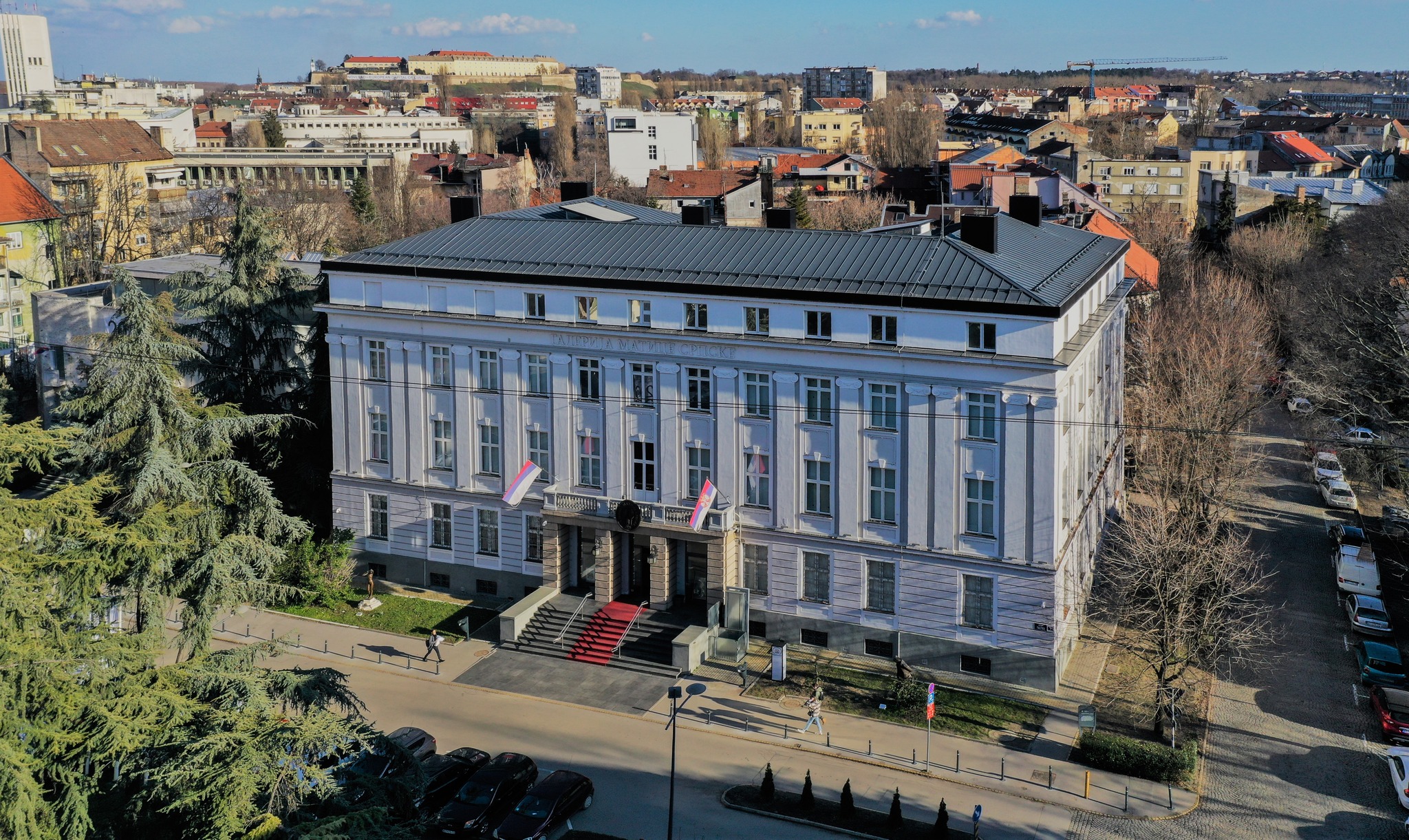
The Matica Srpska Gallery, Belgrade, Serbia
February 16 – May 24, 2026
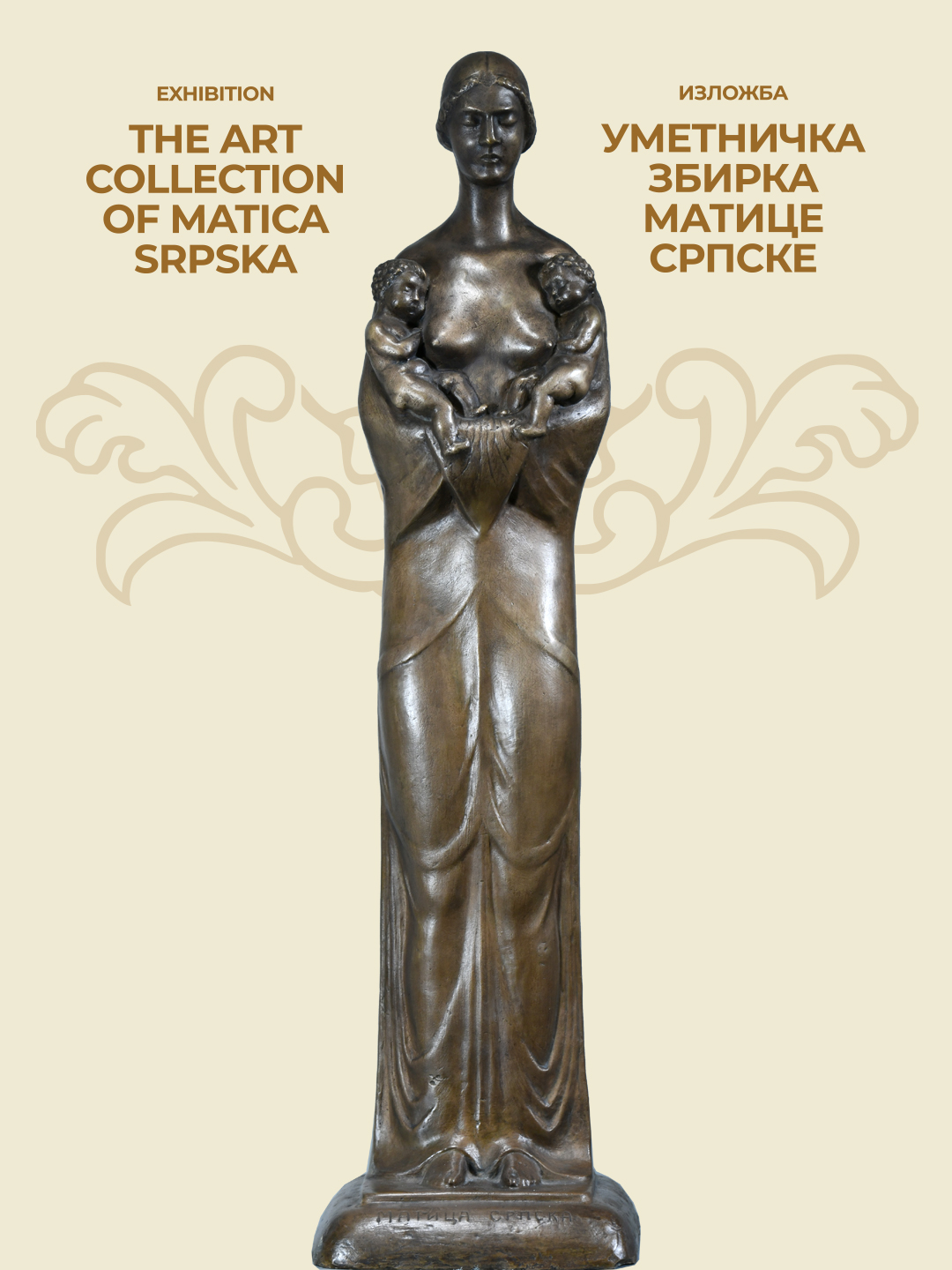
The Art Collection of Matica Srpska
The Matica Srpska Gallery, Belgrade, Serbia
February 16 – May 24, 2026
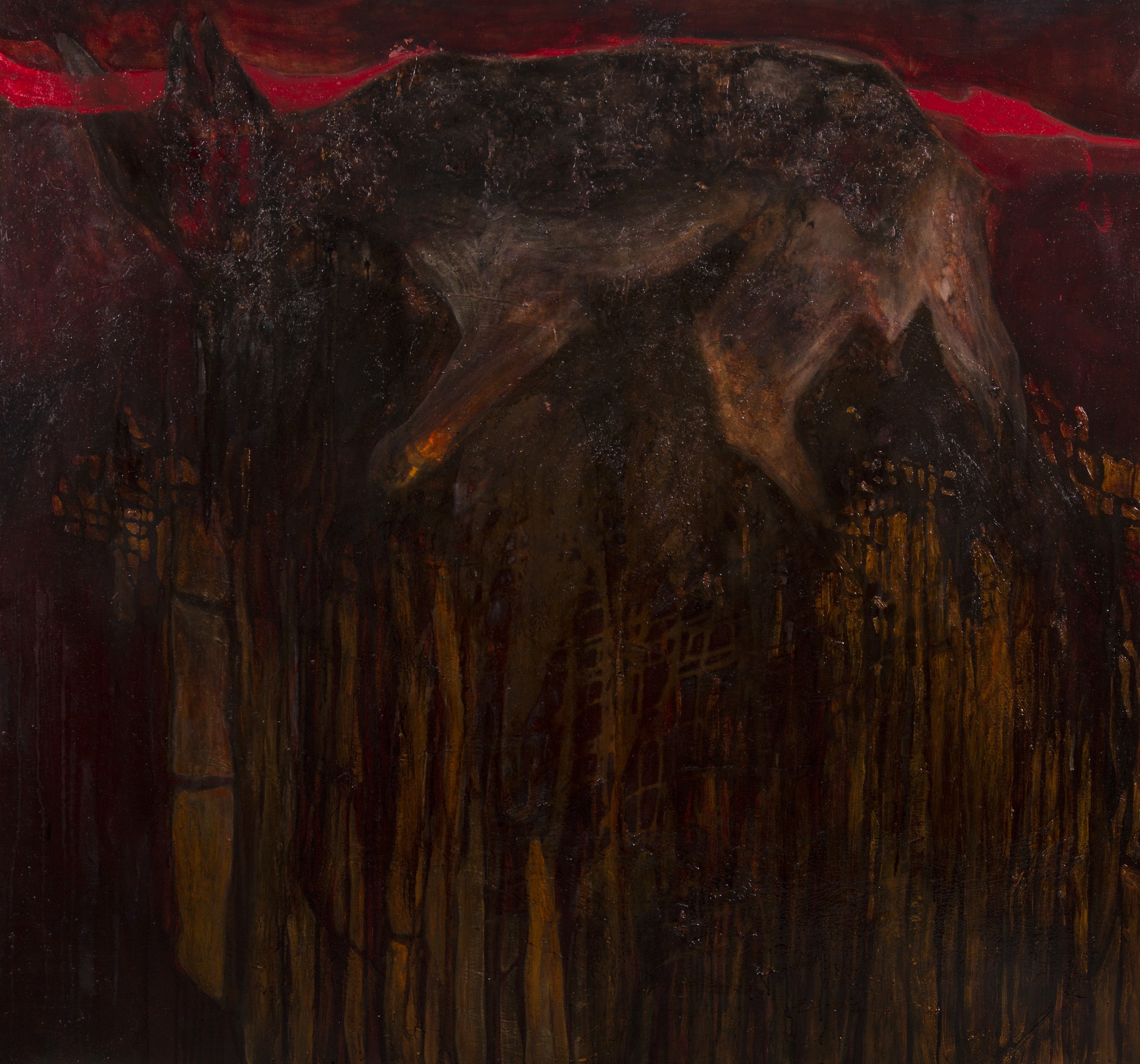
There are moments that do not announce themselves, that arrive the way light arrives in a room one has long kept shuttered — slowly, and then all at once, and one stands changed before one has had time to prepare for the changing. The news that Beehive (2016) has entered the permanent collection of the Gallery of Matica Srpska came to me as such a moment. I did not know how to receive it at first. One learns, over years of working, to hold one’s paintings loosely — to make them and then release them into whatever silence waits beyond the studio door. But this — this is something else. This is a work going to live somewhere it will outlast me, held in the keeping of an institution that has itself outlasted so much: two centuries of forgetting and remembering, of loss and the long, tender labour of preservation.
Two hundred years. I try to feel the full weight of that duration and find I cannot. I can only stand at its edge, as one stands at the edge of a very old forest, aware that what grows here has been growing long before one’s arrival, and will continue long after one’s departure. Matica srpska has been such a forest — rooted, patient, quietly immense.
That my small painting of a beehive — that ancient image of industry and interiority, of the colony and the solitary cell — should find its place within these walls moves me in ways I am not certain I can fully articulate. Perhaps that is as it should be. Perhaps some gifts are too large for language and must instead be carried, the way bees carry what they gather: inwardly, transformed, made into something that sustains. This is a milestone I will carry with me. Not as an achievement, exactly, but as a kind of quiet accompaniment — a reminder that the work we make in solitude can, if we are fortunate, find its way into the long memory of a people.
What does it mean to collect? Not merely to gather — any tide gathers — but to hold with intention, to say: this matters, this must not be lost, this belongs to what we are and to what we are still becoming. Matica srpska has been asking this question for two hundred years.
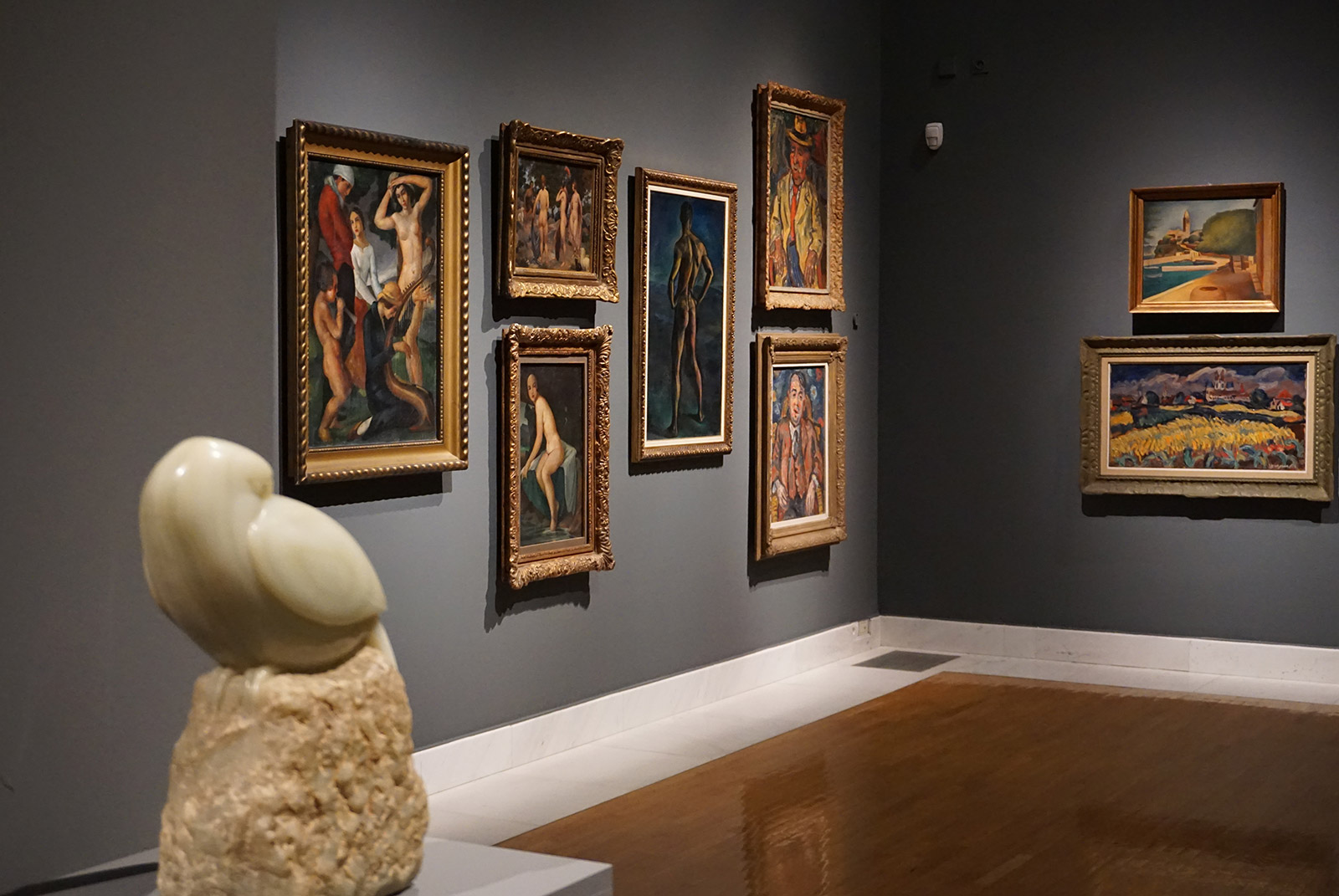
In the year of its great jubilee, the Gallery of Matica srpska presents The Art Collection of Matica srpska — an exhibition that is less a display than a kind of reckoning, an invitation to stand before the accumulated tenderness of two centuries and to feel, if only briefly, the full gravity of continuity. The collection did not arrive whole. It grew the way all living things grow — slowly, through gift and commission and bequest, through the quiet generosity of individuals who understood that what one gives to culture, one does not lose.
From the beginning, the founders of Matica srpska grasped what is so easy to forget: that a people’s image of itself is fragile, that without the portrait, the medal, the carefully preserved object, memory thins and eventually disappears, like breath on cold glass. And so they built a Pantheon. Not of marble and declaration, but of paint and likeness — portraits of presidents and secretaries, of benefactors and honorary members, of all those who gave something of themselves so that something larger might persist. To walk through these likenesses is to feel oneself accompanied by the dead in the best possible sense: not haunted, but held.
There are also the smaller objects — the medals, the plaques, the diplomas — each one a moment of recognition crystallised, time made tactile. And there is the Secretary’s Cabinet, where the furniture itself seems to hold the posture of those who once sat in it: Teodor Pavlović, Jovan Đorđević, Milan Savić — men for whom the institution was not a duty but a devotion. The exhibition does not stop at the past. It knows, as all living institutions must know, that continuity is not stasis. The bequests of Lazar and Saveta Stojković, of Olga and Kosta Milutinović, of Sofija Šaškijević, of Suzana and Borivoj Samolovčev — these are not merely additions to a collection. They are acts of faith, each one a hand reaching across the threshold of a private life into something shared and enduring. And now, most recently, the testamentary gift of the Novi Sad painter Miodrag Mihajlović arrives to affirm that this faith has not exhausted itself, that people still wish to give what they have made back to the world that made them.
In 2016, contemporary artists were invited to meditate upon the beehive — that oldest of symbols, the house of collective labour and individual devotion — and to offer their responses as gifts. Works came. Among them, this Beehive, which enters the collection now, in this anniversary year, as if it had been waiting.
The exhibition opens its rooms to the works themselves and opens, through digital means, those rooms in the Matica srpska building that cannot always be entered. A documentary film, directed and written by Miroslav Stajić, accompanies the whole. And on Fridays at 19:00, on weekends at 13:00 and 17:00, one may walk through all of this with a guide — another human voice among so many human traces. For the youngest visitors, a family guide has been prepared: an introduction to what it means that a people remembers, and how.
The exhibition remains open until 24 May 2026.
Supported by the Ministry of Culture of the Republic of Serbia.
There are moments that do not announce themselves, that arrive the way light arrives in a room one has long kept shuttered — slowly, and then all at once, and one stands changed before one has had time to prepare for the changing. The news that Beehive (2016) has entered the permanent collection of the Gallery of Matica Srpska came to me as such a moment. I did not know how to receive it at first. One learns, over years of working, to hold one’s paintings loosely — to make them and then release them into whatever silence waits beyond the studio door. But this — this is something else. This is a work going to live somewhere it will outlast me, held in the keeping of an institution that has itself outlasted so much: two centuries of forgetting and remembering, of loss and the long, tender labour of preservation.
Two hundred years. I try to feel the full weight of that duration and find I cannot. I can only stand at its edge, as one stands at the edge of a very old forest, aware that what grows here has been growing long before one’s arrival, and will continue long after one’s departure. Matica srpska has been such a forest — rooted, patient, quietly immense.
That my small painting of a beehive — that ancient image of industry and interiority, of the colony and the solitary cell — should find its place within these walls moves me in ways I am not certain I can fully articulate. Perhaps that is as it should be. Perhaps some gifts are too large for language and must instead be carried, the way bees carry what they gather: inwardly, transformed, made into something that sustains. This is a milestone I will carry with me. Not as an achievement, exactly, but as a kind of quiet accompaniment — a reminder that the work we make in solitude can, if we are fortunate, find its way into the long memory of a people.
What does it mean to collect? Not merely to gather — any tide gathers — but to hold with intention, to say: this matters, this must not be lost, this belongs to what we are and to what we are still becoming. Matica srpska has been asking this question for two hundred years.
In the year of its great jubilee, the Gallery of Matica srpska presents The Art Collection of Matica srpska — an exhibition that is less a display than a kind of reckoning, an invitation to stand before the accumulated tenderness of two centuries and to feel, if only briefly, the full gravity of continuity. The collection did not arrive whole. It grew the way all living things grow — slowly, through gift and commission and bequest, through the quiet generosity of individuals who understood that what one gives to culture, one does not lose.
From the beginning, the founders of Matica srpska grasped what is so easy to forget: that a people’s image of itself is fragile, that without the portrait, the medal, the carefully preserved object, memory thins and eventually disappears, like breath on cold glass. And so they built a Pantheon. Not of marble and declaration, but of paint and likeness — portraits of presidents and secretaries, of benefactors and honorary members, of all those who gave something of themselves so that something larger might persist. To walk through these likenesses is to feel oneself accompanied by the dead in the best possible sense: not haunted, but held.
There are also the smaller objects — the medals, the plaques, the diplomas — each one a moment of recognition crystallised, time made tactile. And there is the Secretary’s Cabinet, where the furniture itself seems to hold the posture of those who once sat in it: Teodor Pavlović, Jovan Đorđević, Milan Savić — men for whom the institution was not a duty but a devotion. The exhibition does not stop at the past. It knows, as all living institutions must know, that continuity is not stasis. The bequests of Lazar and Saveta Stojković, of Olga and Kosta Milutinović, of Sofija Šaškijević, of Suzana and Borivoj Samolovčev — these are not merely additions to a collection. They are acts of faith, each one a hand reaching across the threshold of a private life into something shared and enduring. And now, most recently, the testamentary gift of the Novi Sad painter Miodrag Mihajlović arrives to affirm that this faith has not exhausted itself, that people still wish to give what they have made back to the world that made them.
In 2016, contemporary artists were invited to meditate upon the beehive — that oldest of symbols, the house of collective labour and individual devotion — and to offer their responses as gifts. Works came. Among them, this Beehive, which enters the collection now, in this anniversary year, as if it had been waiting.
The exhibition opens its rooms to the works themselves and opens, through digital means, those rooms in the Matica srpska building that cannot always be entered. A documentary film, directed and written by Miroslav Stajić, accompanies the whole. And on Fridays at 19:00, on weekends at 13:00 and 17:00, one may walk through all of this with a guide — another human voice among so many human traces. For the youngest visitors, a family guide has been prepared: an introduction to what it means that a people remembers, and how.
The exhibition remains open until 24 May 2026.
Supported by the Ministry of Culture of the Republic of Serbia.